ispace-U.S., the Colorado-based subsidiary of Japan’s ispace, says it is ready to compete for lunar delivery work after NASA added it to the vendor pool for the second phase of its Commercial Lunar Payload Services (CLPS) program. The company has not yet launched a lander of its own, and its parent company’s two attempts to reach the lunar surface ended in crashes.
NASA said on Saturday that it had selected eight companies to compete for CLPS 2 task orders. Besides ispace-U.S., the group includes Blue Origin, Firefly Aerospace, Intuitive Machines, Lockheed Martin, Northrop Grumman, SpaceX and Voyager Technologies. The other seven are also vendors under the first phase of CLPS, which has seen four lunar landers launched since 2024. NASA plans to award up to $10 billion in CLPS 2 task orders to support development of its Moon Base, while it continues working to return astronauts to the lunar surface under the Artemis program.
A record that still has to be answered
Ispace launched landers in 2023 and 2025 for its HAKUTO missions. Both ran into technical problems during descent and crashed. CEO Elizabeth Kryst said the company has invested heavily and done everything within its control to ensure a soft landing next time. She spoke in an interview on the sidelines of NASA’s MAX POWER event over the weekend.
She said experts are studying the landings, including how engine exhaust creates regolith plumes during touchdown, along with other factors. The company is still working through its evaluation and investigation of the two failures. In 2025 it set up an independent standing review board, external to the company and chaired by Alan Stern, principal investigator of NASA’s New Horizons mission to Pluto. At the time, ispace said the board’s purpose was to enhance the success of future missions.
ULTRA lander for CLPS 2
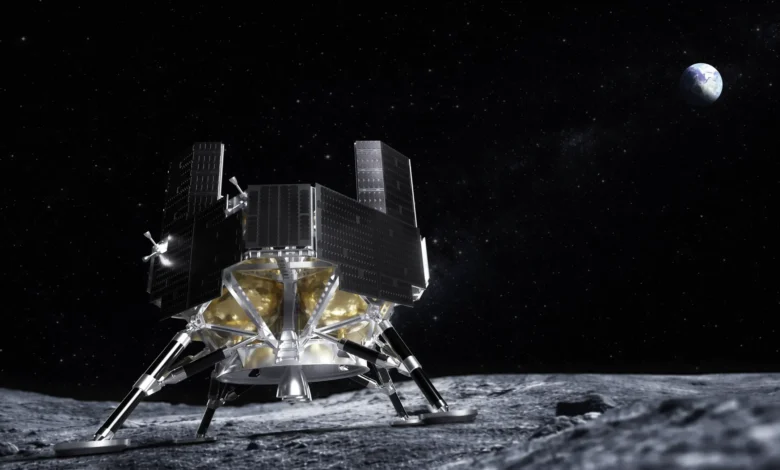
For CLPS 2, ispace will propose its ULTRA lander, which is still in development and testing, Kryst said. The design combines the lander used for the HAKUTO missions with the APEX lander that ispace-U.S. had previously been developing.
She noted that all ispace missions are fully autonomous. The company is trying to build a presence on the Moon without a human in the loop, she said, and much about the lunar environment remains unknown. Permanently shadowed regions, for example, create lighting constraints.
Communications satellites in parallel
Ispace is also developing a network of five lunar communications satellites called Lunar Connect. Kryst said the first is planned to launch in 2027.
Source: aerospaceamerica.aiaa.org