


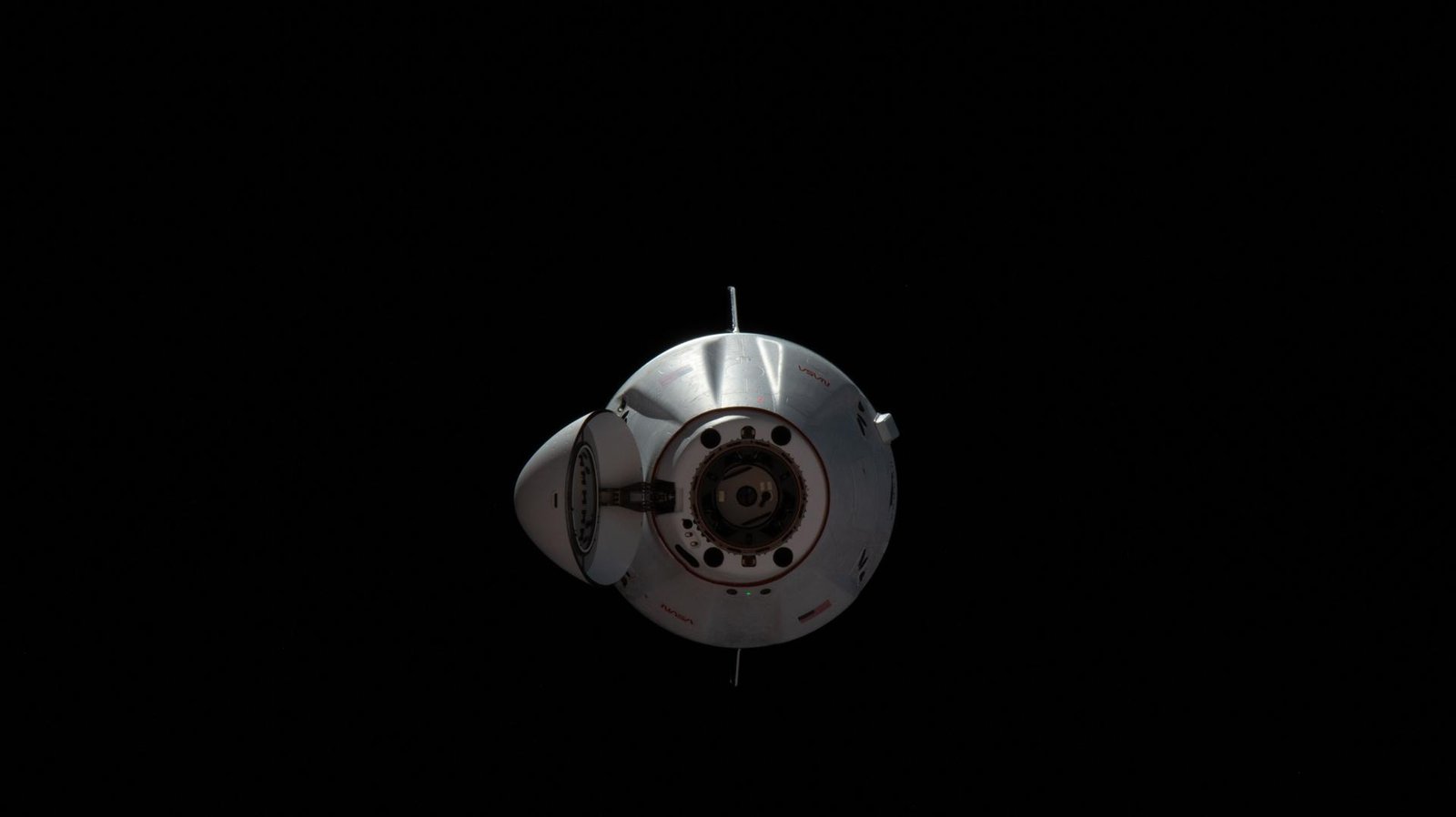
SpaceX’s uncrewed Dragon cargo spacecraft splashed down in the Pacific Ocean near Los Angeles at 2:03 p.m. PST, ending NASA’s 35th SpaceX commercial resupply services mission to the International Space Station. The capsule brought back research samples and hardware tied to studies of vascular disease, cancer treatment, antibiotic resistance and astronaut sleep.
Mission timeline
Dragon launched on a Falcon 9 rocket from Space Launch Complex 40 at Cape Canaveral Space Force Station in Florida. It reached the orbiting laboratory on Oct. 15, two days after liftoff. The spacecraft undocked from the station at 11:05 a.m. CST on Nov. 20 to begin its return.
Research returned to Earth
Among the returning items is a 3D-bioprinted blood vessel construct. Researchers used it to study vascular aging and cardiovascular disease, with relevance both to spaceflight and to health on Earth.
Frozen tumor organoids that were treated aboard the station also came back. Scientists may use them to look for ways to improve cancer treatments and to advance personalized medicine.
Frozen microbial samples are part of the return shipment as well. Analysis of these samples is intended to help researchers understand how antibiotic-resistant bacteria survive, adapt and evolve in the space environment.
Dragon also carried home a lighting system that had spent more than three years on the station. Researchers used it to test whether such lighting could support astronauts’ sleep and well-being on long-duration missions.
Dragon’s return gives investigators on the ground access to samples that could not be fully studied in orbit. The source does not report any findings from the samples yet, so results from these investigations remain to be published.
Source: www.nasa.gov