
GSLV Mk II | IRNSS-1L (NVS-03)
Launch SuccessfulIndian Space Research Organization
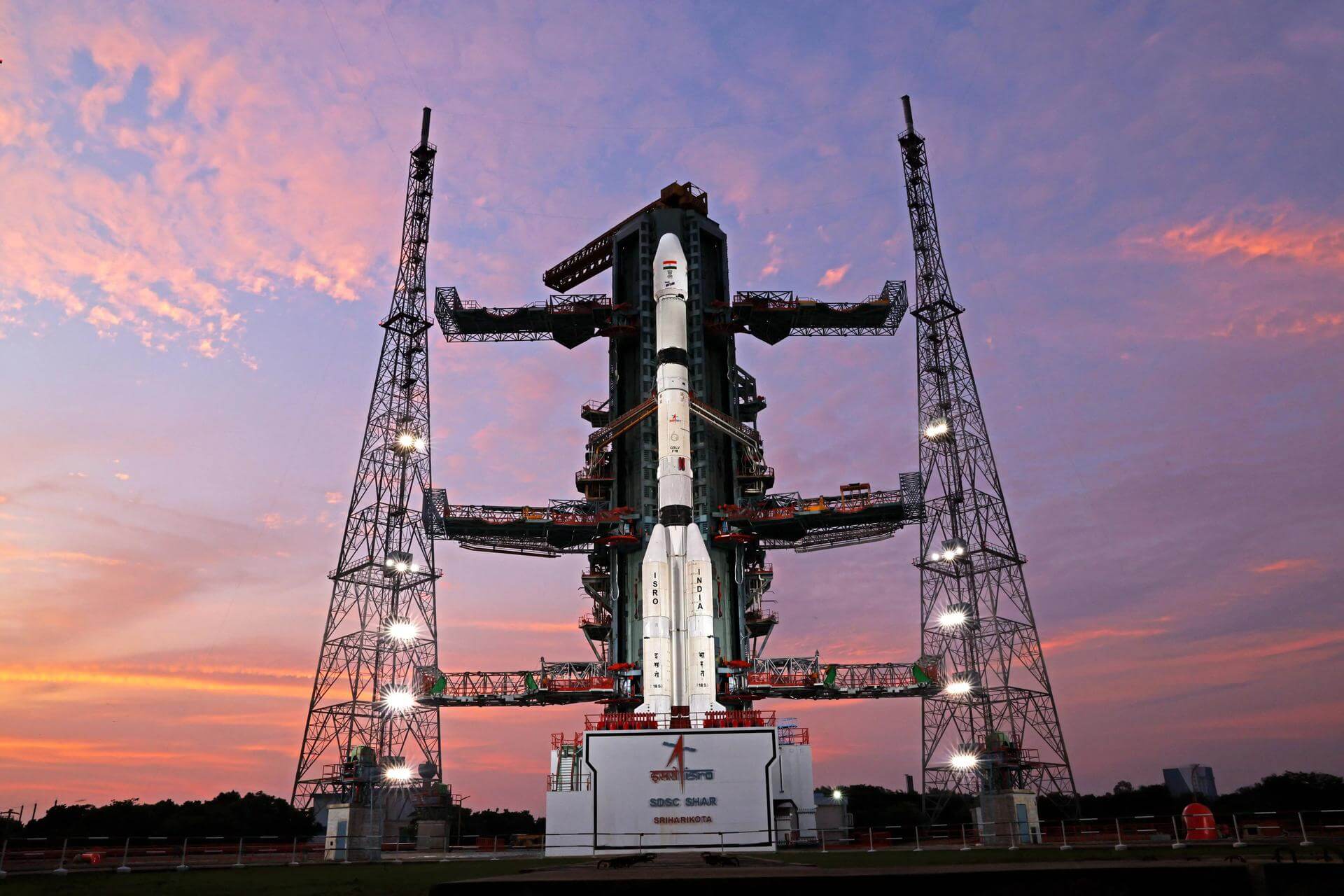
Image: ISRO · Government Open Data License - India (GODL)
Watch the Launch
Launch Agency
Indian Space Research Organization
The Indian Space Research Organisation (ISRO) is the space agency of the Government of India headquartered in the city of Bangalore. Its vision is to "harness space technology for national development while pursuing space science research and planetary exploration."
- Agency type
- Government
- Founded
- 1,969
- Total launches
- 101
- Successful launches
- 86
About the Mission
IRNSS-1L (NVS-03)
This is a replacement satellite for the Indian Regional Navigation Satellite System. The constellation will provide India with an alternative to GPS and will be used for military and civilian use. Located at a geosynchronous orbit, the system will be operated by the Indian government.
- Mission type
- Navigation
- Target orbit
- Geostationary Transfer Orbit
Launch Vehicle
GSLV Mk. II
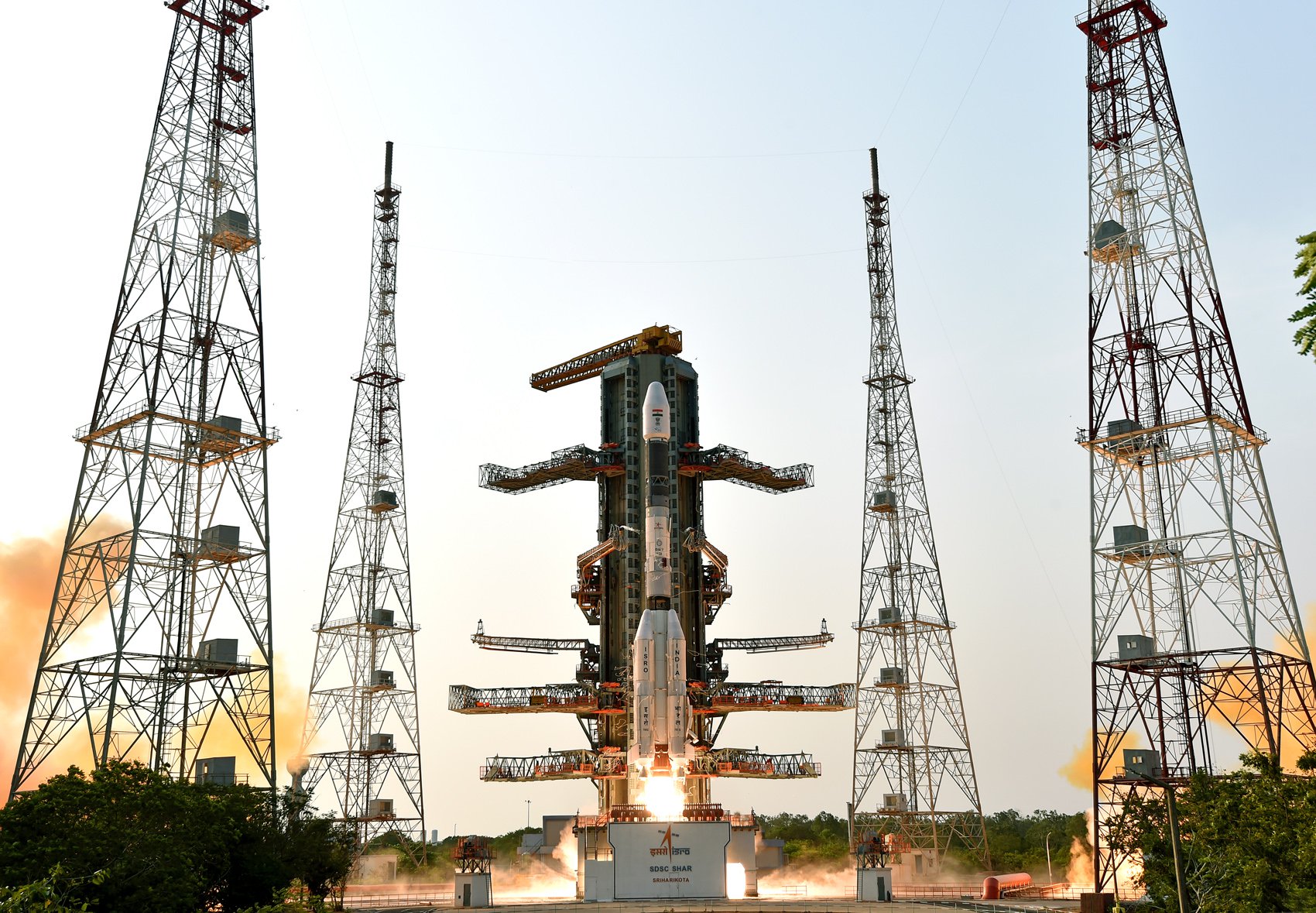
Geosynchronous Satellite Launch Vehicle Mark II (GSLV Mk II) is the largest launch vehicle developed by India, which is currently in operation. This fourth generation launch vehicle is a three stage vehicle with four liquid strap-ons. The indigenously developed cryogenic Upper Stage (CUS), which is flight proven, forms the third stage of GSLV Mk II. From January 2014, the vehicle has achieved four consecutive successes.
- Manufacturer
- Indian Space Research Organization
- Height
- 49 m
- Diameter
- 2.80 m
- Maximum stages
- 3
- Liftoff mass
- 401 tonnes
- Mass to LEO
- 0 kg
- Mass to GTO
- 2,500 kg
- Liftoff thrust
- 7,420 kN
- Launches
- 14
- Successful launches
- 12
- Launch failures
- 2
- Consecutive successes
- 6
- Maiden flight
- 2010-04-15
Launch Updates

Launch success (see also https://www.reddit.com/r/ISRO/comments/1xhkken/comment/19rw5t8tivmzl/).
Source

Launch Site
Satish Dhawan Space Centre Second Launch Pad · Satish Dhawan Space Centre, India
The second launch pad was built between 1999 and 2003. It became functional in 2005 and has since been used for various rockets. This launch pad supports missions by PSLV, GSLV, LVM3 rockets and is even envisioned for India's future crewed spaceflight.