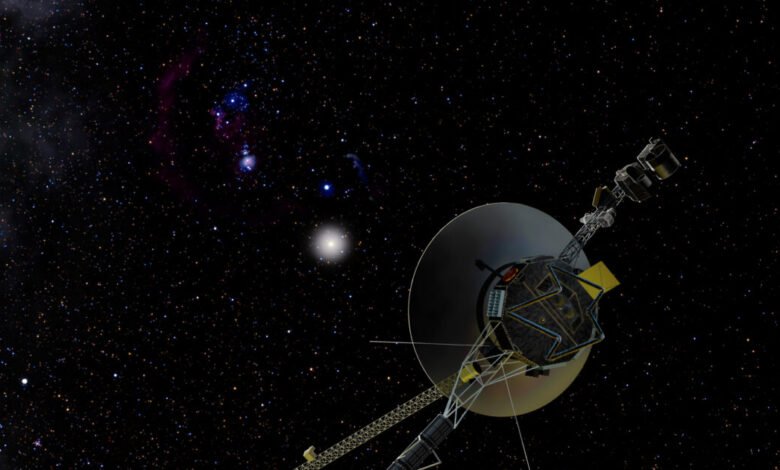
Voyager 1 is now observing from a distance of one light-day, the span light covers in 24 hours. Two other developments in space policy and exploration also emerged: the U.S. Congress has proposed increases to NASA science funding, and China has announced potential plans to land on a moon of Jupiter.
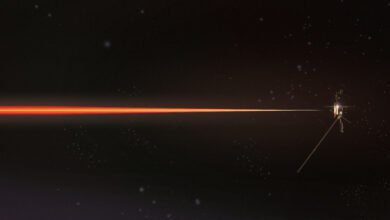
Voyager 1 looks back from one light-day
The report on Voyager 1 describes the spacecraft as looking back from one light-day away. That places the probe at a distance where a signal needs a full day to travel between it and Earth. The available information does not say what Voyager 1 observed or what instruments were involved, so details of the findings remain to be confirmed.
Congress proposes NASA science increases
In Washington, the U.S. Congress has put forward increases to NASA science funding. The source describes this only as a proposal, not an enacted budget, and gives no figures. The final outcome would depend on further legislative action.
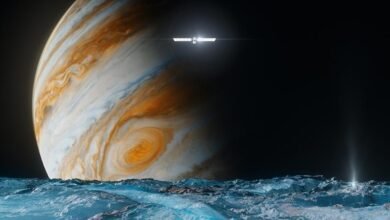
China eyes a Jovian moon landing
China has announced potential plans to land on one of Jupiter’s moons. The wording points to a possible future objective rather than an approved or scheduled mission. The target moon, the timeline and the mission architecture were not specified in the available material.
Taken together, the three items cover deep-space observation, U.S. science funding and outer solar system ambitions. Further official announcements will be needed to clarify the Voyager 1 observations, the budget proposal’s scale and the Chinese mission concept.
Source: www.planetary.org