


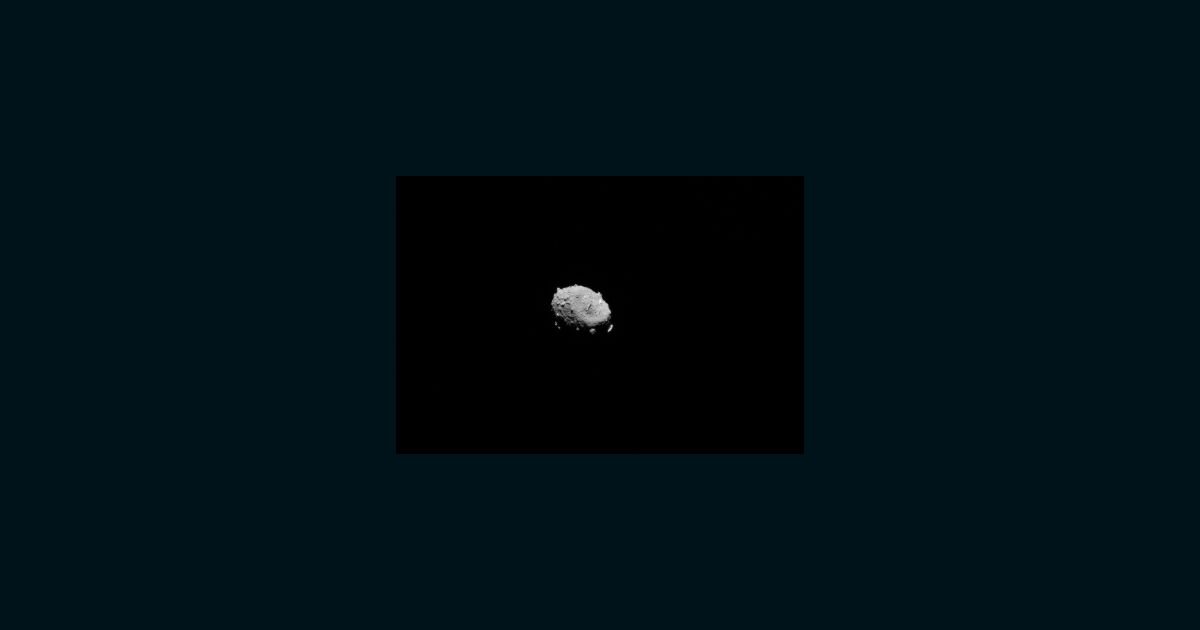
The asteroid Apophis will pass about 32,000 km above Earth’s surface, close enough for the planet’s gravity to act on it. According to the source material, those forces may change the asteroid’s rotation, its surface or its internal structure. The Ramses mission is intended to observe the asteroid from nearby during the encounter, a rare chance to see how an asteroid responds to a close planetary flyby.
Two missions, two questions for planetary defence
Holger Krag, head of ESA’s Space Safety programme, described Ramses as a complement to the Hera mission. Hera is helping researchers understand the consequences of deliberately striking an asteroid. Ramses will address a different question: how an asteroid reacts to the gravitational influence of a planet.
Krag said the two missions together will substantially expand the scientific knowledge available to planetary defence. One looks at the outcome of a human-made impact, the other at a natural process that could reshape a small body’s physical state.
Why a close encounter matters
An asteroid’s response to gravitational stress depends on how it is built and how it spins. Observing Apophis before, during and after its close approach should give scientists a direct view of those properties under real conditions. Such data can help refine how asteroids are characterised when assessing potential threats.
The source does not give further details on Ramses’ instruments, timeline or the specific measurements planned.
Source: www.esa.int